
As a leader in the apparel industry—whether you are a visionary fashion designer, a quality-focused brand apparel manufacturer, or a strategic fabric wholesaler—you understand that the difference between a good garment and a great one often lies in the subtle details of the fabric. One of the most critical, yet often misunderstood, factors affecting textile aesthetics and performance is fabric hairiness.
This guide is designed to give you the strategic knowledge you need to master fabric hairiness, ensuring your textiles meet the highest standards of quality and customer satisfaction.
What is Fabric Hairiness, and Why Should You Care?
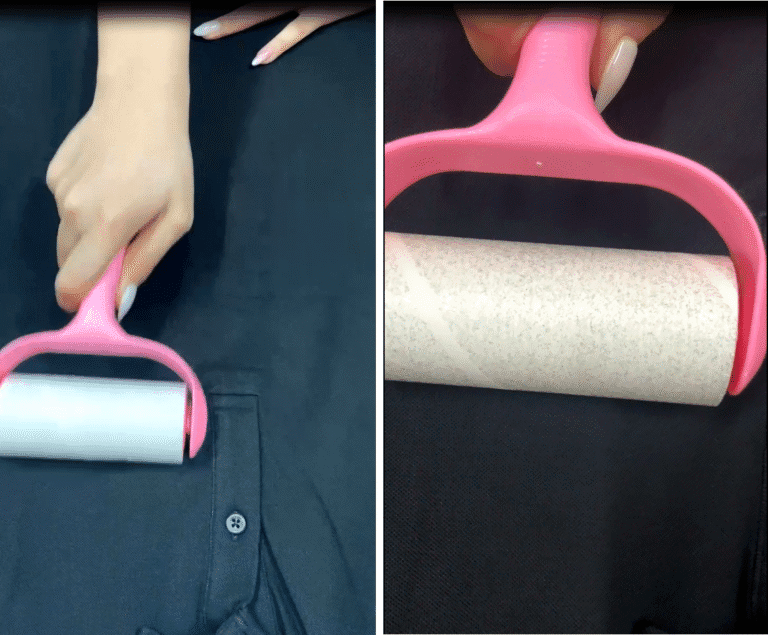
Fabric hairiness is the visible presence of protruding fiber ends, loops, and wild fibers extending from the surface of the yarn and, consequently, the finished fabric. It gives the textile a fuzzy, hazy, or “peach-fuzz” appearance.
For you, this is more than just a visual characteristic; it is a direct indicator of potential quality issues. According to industry data, up to 15% of fabric defects and quality problems can stem from uncontrolled hairiness.
Hairiness Level | Appearance and Feel | Impact on Your Business |
Low Hairiness | Smooth, clear, and lustrous surface. Defined weave structure. | High-end appeal, excellent print clarity, reduced pilling, higher perceived value. |
High Hairiness | Fuzzy, dull, and hazy surface. Softer hand-feel (sometimes desired). | Increased pilling risk, poor print definition, higher friction during processing, potential for customer complaints. |
The Root Cause: It All Starts with the Yarn
You must recognize that fabric hairiness is fundamentally a yarn characteristic. The quality of the yarn you select dictates the baseline hairiness of your final fabric.
What Causes Hairiness in Yarn?
The causes are multi-faceted, stemming from every stage of the textile production chain:
- Raw Material Properties: Shorter, coarser, or less uniform fibers are more likely to protrude from the yarn body.
- Spinning Process: Factors like spindle speed, traveler weight, and tension control during spinning directly influence how tightly the fibers are bound. Inadequate finish or rough machine surfaces can also increase hairiness, especially in filament yarns.
- Machine Conditions: Poorly maintained machinery, excessive friction, or incorrect settings can lead to fiber breakage and increased hairiness.
- Environmental Factors: Fluctuations in temperature and humidity can affect fiber behavior and yarn structure.
The Hairiness Index: Your Quality Metric
To manage what you measure, you need to understand the Hairiness Index. This is a crucial parameter used to quantify the number and length of protruding fibers. Modern textile testing uses instruments provided a standardized, objective measure of hairiness.

Controlling Excessive Hairiness: Your Strategic Solutions
Excessive hairiness can lead to significant problems for your brand, including poor abrasion resistance, increased pilling (the formation of small balls of fiber on the fabric surface), and a dull appearance.
Fortunately, you have several strategic interventions at your disposal to reduce and control hairiness:
- Pre-Treatment: Singeing
The most effective and common method to permanently reduce hairiness is singeing. This process involves passing the fabric rapidly over a flame or heated plate to burn off the protruding fiber ends without damaging the main body of the yarn.
For Manufacturers: Singeing is essential for fabrics requiring a smooth, clear surface, such as those intended for high-definition printing or a crisp, lustrous finish.
- Chemical Finishing
Applying specific chemical finishes, such as certain resins or softeners, can help bind the loose fibers to the yarn body, temporarily reducing hairiness and improving the fabric’s hand-feel.
- Mechanical Finishing
Processes like shearing (cutting the fiber ends) or brushing (pulling the fibers to the surface for a controlled fuzzy look) can be used to manage hairiness, depending on the desired final aesthetic.
- Design and Care Considerations
As a designer or brand, you can also influence the longevity of the fabric’s smooth surface:
- Fabric Selection:Opt for yarns made from longer staple fibers (e.g., long-staple cotton, merino wool) which naturally exhibit lower hairiness.
- Garment Care:Educate your customers. Excessive friction during washing and drying is a major cause of increased hairiness and subsequent pilling. Recommend gentle detergents, low-temperature cycles, and turning garments inside out.
Fabric Hairiness and Quality: A Nuanced View
Does less hairiness always mean higher quality? Not necessarily.
While excessive hairiness is a defect, a controlled level of hairiness can be desirable for certain products. For instance, fabrics designed for a soft, brushed, or “flannel-like” hand-feel intentionally utilize controlled hairiness to achieve that aesthetic.
Your goal is not zero hairiness, but controlled hairiness.
- For High-Lustre Fabrics (e.g., silks, fine shirting): You demand extremely low hairiness for maximum clarity and shine.
- For Soft-Touch Fabrics (e.g., fleece, brushed cotton): You aim for a controlled, uniform hairiness to enhance the tactile experience.
By understanding the causes, measuring the index, and applying the right finishing techniques, you can transform fabric hairiness from a potential defect into a strategic tool for achieving the precise quality and aesthetic your brand demands. Master this detail, and you master the quality of your entire collection.